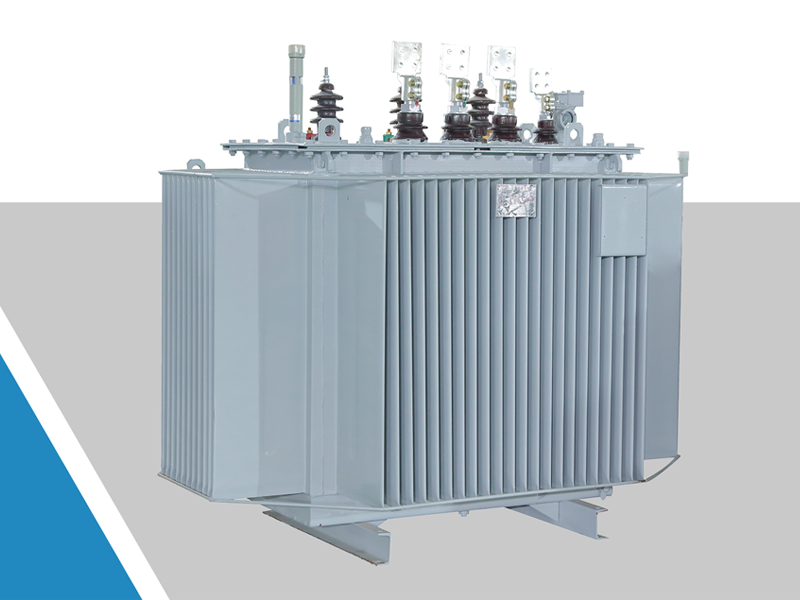
In modern power systems, transformers are like "energy converters", shouldering the crucial mission of altering voltage and ensuring efficient power transmission. From the stable operation of urban power grids to the power supply for industrial production, behind every reliable transformer lies the meticulous production process and strict quality control of the factory. Transformer production plants are not only manufacturing bases but also "guardians" of power safety. Every step in their production process is directly related to the stability and safety of the power system.
I. Production Core: Meticulous refinement from raw materials to core components
The production of transformers is a complex project that integrates mechanical processing, electrical technology and materials science. The core links revolve around the three key components of "core, winding and oil tank", and each step needs to be precisely controlled.
(1) Core Manufacturing: The "Magnetic Circuit Skeleton" of Transformers
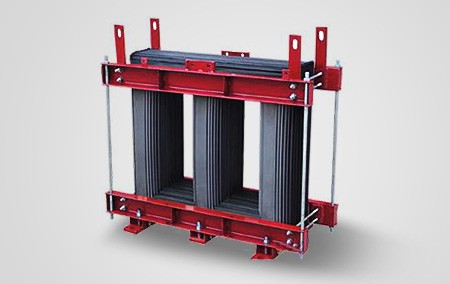
The core is the core for a transformer to achieve electromagnetic induction, and its quality directly affects the loss and efficiency of the transformer. The factory selects high-silicon steel sheets as the core raw materials. This type of material has excellent magnetic permeability and can minimize hysteresis loss to the greatest extent. During the production process, silicon steel sheets are first cut to specific sizes by a precision shearing machine. Then, they enter the lamination process - workers need to stack the silicon steel sheets layer by layer according to the "misaligned seam" process to ensure the smoothness of the core magnetic circuit. At the same time, they are fixed with special fixtures to avoid increased noise and loss caused by loose lamination. After the lamination is completed, the core still needs to undergo annealing treatment to eliminate processing stress and further enhance magnetic permeability. Finally, surface anti-rust spraying is carried out to prepare for subsequent assembly.
(2) Winding: The "current channel" for power transmission
The winding is the "conductive center" of a transformer, made of copper or aluminum wire and responsible for transmitting electrical energy. Factories select wires of different specifications based on the power and voltage level of transformers - high-voltage windings are usually wound with thin wires and multiple turns, while low-voltage windings are wound with thick wires and fewer turns. The winding process relies on an automated winding machine, which can precisely control the number of winding turns, the density of wire arrangement and tension, avoiding wire damage or insulation layer rupture. After winding is completed, the windings need to undergo insulation treatment: first, they are wrapped with multiple layers of insulating paper or insulating varnish, and then the moisture in the insulating layer is removed through vacuum drying process to ensure that the insulation performance meets the standards. In addition, the factory will also conduct DC resistance tests and insulation resistance tests on the windings to check for any issues such as loose wire connections or insulation defects.
(3) Assembly and Inspection: Building a Reliable "Power Heart"
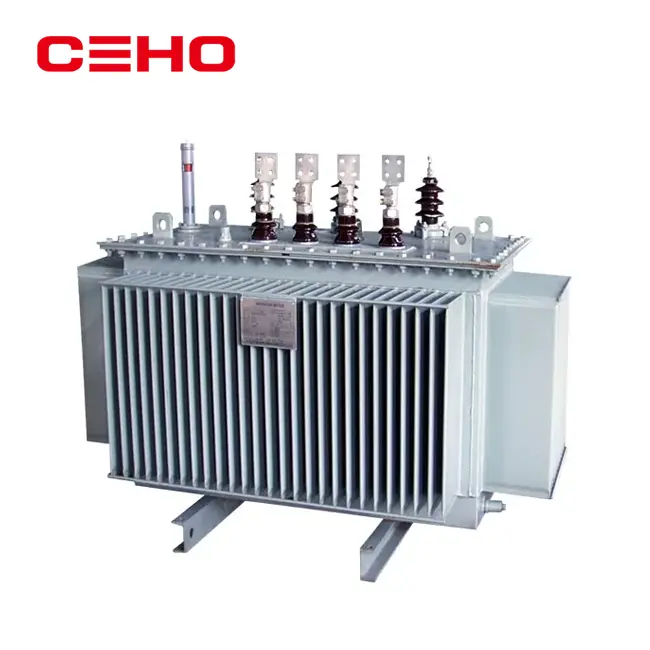
When the core components such as the iron core and windings are all ready, the final assembly stage begins. Workers assemble the iron core and windings into a "body", carefully place it in the oil tank, and then inject transformer oil - transformer oil not only serves as insulation but also dissipates heat for the body through circulation. After the final assembly is completed, the factory will launch multiple rounds of strict inspections to ensure that each transformer meets national standards: First, conduct a "ratio test" to verify whether the voltage conversion ratio between the high and low voltage sides of the transformer is accurate; Secondly, conduct a "temperature rise test" to simulate the full-load operation state, monitor the temperature changes between the detector body and the transformer oil, and ensure that the heat dissipation performance meets the standards. Thirdly, conduct a "withstand voltage test" by applying a high voltage higher than the rated voltage to check whether the insulation layer can withstand voltage surges and avoid the risk of leakage.
Ii. Technological Innovation: The "Upgrading Engine" Driving Transformer Production
As the power system's demands for efficiency, energy conservation and intelligence continue to rise, transformer manufacturing factories are also constantly promoting technological innovation to empower product upgrades. On the one hand, in terms of material application, the factory is gradually promoting "amorphous alloy cores" - compared with traditional silicon steel sheets, amorphous alloys have lower hysteresis losses, which can reduce the no-load losses of transformers by 30% to 50%, and are more in line with energy-saving requirements. On the other hand, in terms of production equipment, automated devices such as robot welding and digital inspection systems are introduced. For instance, robots can achieve seamless welding of fuel tank welds, avoiding errors and missed welds caused by manual welding. Digital inspection systems can collect test data in real time and automatically generate inspection reports, enhancing the efficiency and accuracy of inspection.
In addition, the factory is also exploring the production of "intelligent transformers". These transformers are equipped with built-in sensors and communication modules, which can monitor the operating status in real time (such as temperature, voltage, and load), and upload the data to the power grid monitoring platform. Once an abnormality occurs, it can issue a warning in a timely manner, facilitating remote inspection and repair by operation and maintenance personnel, and significantly enhancing the reliability of the power system.
Iii. Environmental Protection Concept: Practicing the "Responsibility and Commitment" of Green Production
While pursuing efficient production, transformer manufacturing factories have always adhered to the concept of environmental protection and integrated green production throughout the entire process. In the raw material procurement process, priority should be given to recyclable and low-pollution materials to minimize the impact on the environment. During the production process, a dedicated recycling and treatment system is established for substances that are prone to pollution, such as transformer oil and insulating varnish. For instance, waste transformer oil is filtered and purified before being reused to avoid direct discharge. In terms of energy consumption, the factory has introduced energy-saving facilities such as photovoltaic power supply and waste heat recovery to reduce carbon emissions during the production process and contribute to the realization of the "dual carbon" goals.
From the precise lamination of the core to the meticulous winding of the windings, from strict inspection procedures to continuous technological innovation, transformer manufacturing factories forge reliable "hearts" for the power system with professionalism and rigor. Every transformer leaving the factory carries the craftsmanship and responsibility of the factory. They cross cities and rural areas, delivering clean and stable electricity to thousands of households and industrial and mining enterprises, becoming an important cornerstone supporting the operation of modern society.