
Deutsch
- English
- Español
- Português
- русский
- Français
- 日本語
- Deutsch
- tiếng Việt
- Italiano
- Nederlands
- ภาษาไทย
- Polski
- 한국어
- Svenska
- magyar
- Malay
- বাংলা ভাষার
- Dansk
- Suomi
- हिन्दी
- Pilipino
- Türkçe
- Gaeilge
- العربية
- Indonesia
- Norsk
- تمل
- český
- ελληνικά
- український
- Javanese
- فارسی
- தமிழ்
- తెలుగు
- नेपाली
- Burmese
- български
- ລາວ
- Latine
- Қазақша
- Euskal
- Azərbaycan
- Slovenský jazyk
- Македонски
- Lietuvos
- Eesti Keel
- Română
- Slovenski
- मराठी
- Srpski језик

Branchennachrichten
 05 2026-08
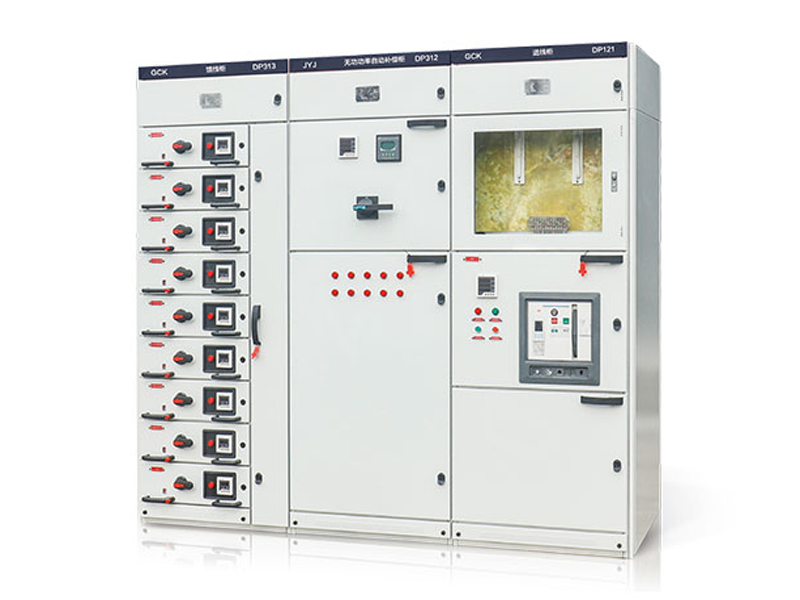
What are the main types of low voltage switchgear?
Low-voltage switchgear refers to electrical devices used in power systems with AC rated voltages of 1000V and below and DC rated voltages of 1500V and below to perform the functions of making, breaking, protecting, controlling and isolating. They are widely used in industrial plants, commercial buildings, data centers, rail transit and civil power distribution, and are key components to ensure the safety of electricity and the reliable operation of the system. According to different functions and application scenarios, low-voltage switchgear can be mainly divided into the following categories.
 03 2026-08
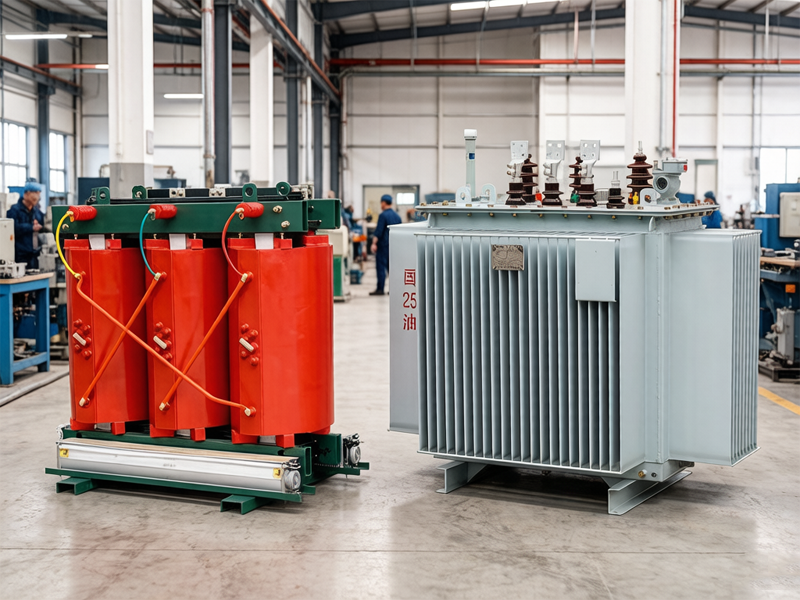
With the same power, why is a dry-type transformer safer than an oil-type transformer?
In scenarios such as power distribution, building power supply, and industrial production, transformers are the core equipment to ensure stable power transmission. When faced with the choice of the same power and voltage level, many people will wonder: Dry-type transformers are more expensive and slightly larger, but they have become the first choice for hospitals, shopping malls, subways, high-rise buildings, and underground power distribution rooms. There is only one core reason - safety. With the same power output, why is a dry-type transformer safer than an oil-immersed transformer? The answer lies in the material, structure, operating characteristics and fire and explosion protection capabilities.
 30 2026-07
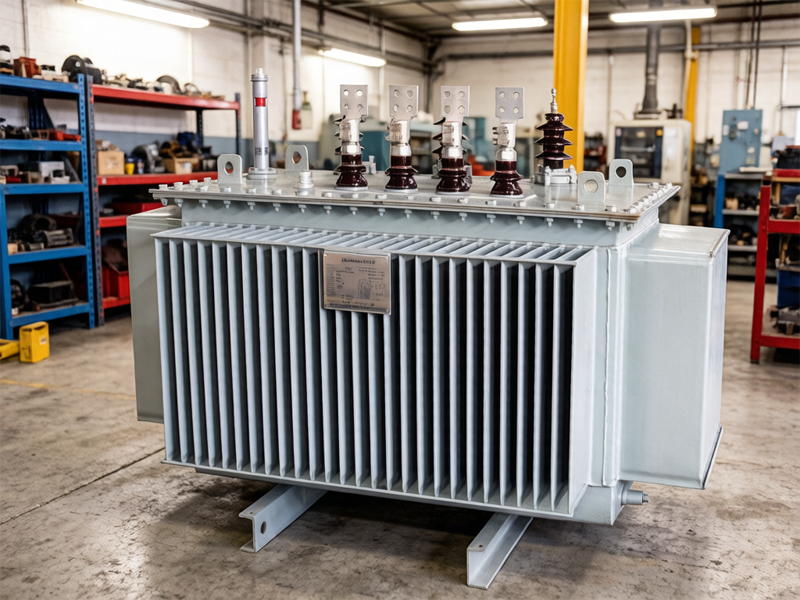
Comparison of no-load loss characteristics of amorphous alloy transformers and discussion on energy efficiency improvement
Amorphous alloy transformers are known as "energy-saving stars" in the field of distribution transformers due to their excellent low-loss characteristics. This article focuses on the no-load loss characteristics of amorphous alloy transformers, conducts a multi-dimensional comparison with traditional silicon steel sheet transformers, and systematically discusses feasible paths to improve its energy efficiency, providing a reference for engineering selection and technology development.
 23 2026-07
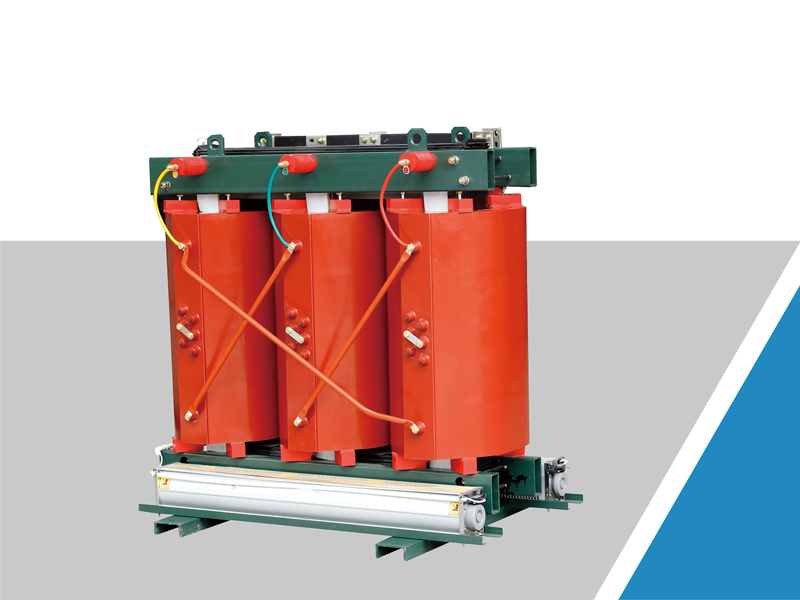
Was ist ein Epoxidharz-Trockentransformator?
Epoxidharzgegossene Trockentransformatoren haben mit ihren Kerneigenschaften „ölfrei, flammhemmend, selbstverlöschend und umweltfreundlich“ die Sicherheitsstandards von Stromverteilungsgeräten neu definiert. Es löst nicht nur die Schwachstellen herkömmlicher Transformatoren, die brennbar, explosiv und anfällig für Öllecks sind, sondern speist auch einen stetigen Strom sauberen Stroms mit hoher Zuverlässigkeit und geringen Wartungskosten in die Stromadern der modernen Gesellschaft ein. Da sich die Technologie immer weiter entwickelt, wird sie beim künftigen Aufbau intelligenter Netze eine immer wichtigere Rolle spielen.
 21 2026-07
Was ist ein Verteilungstransformator aus amorpher Legierung?
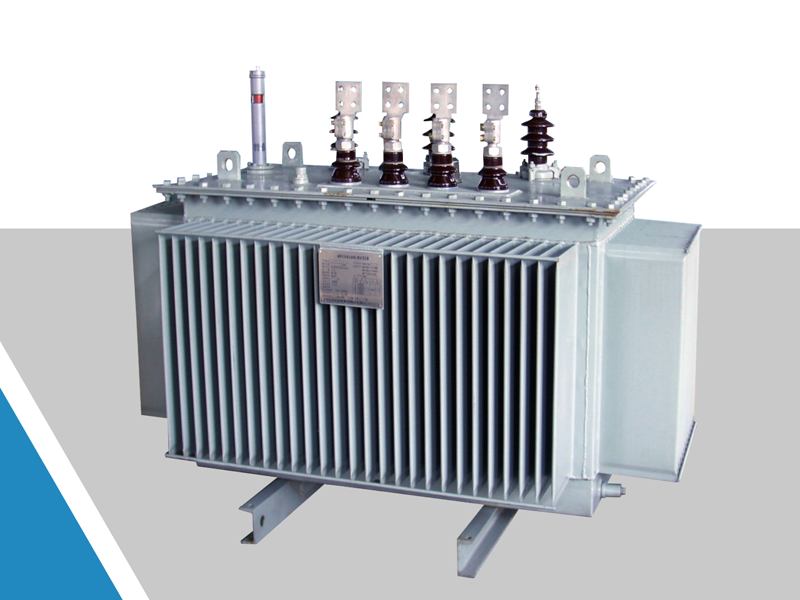
In der modernen Gesellschaft ist Elektrizität das Blut, das die wirtschaftliche Entwicklung vorantreibt und den täglichen Betrieb aufrechterhält, und Verteilungstransformatoren sind das unverzichtbare „Herz“ des Stromübertragungsnetzes. Da Energieeinsparung, Emissionsreduzierung und Umweltschutz weltweit zunehmend an Bedeutung gewinnen, ist die Verbesserung der Energieeffizienz herkömmlicher Energieanlagen zu einem unvermeidlichen Trend geworden. In diesem Zusammenhang entwickelte sich der Verteilungstransformator aus amorpher Legierung (Amorphous Alloy Transformer) zu einem revolutionären hocheffizienten und energiesparenden Stromgerät und entwickelt sich allmählich zu einem „grünen Pionier“ im Verteilungsnetz.
 18 2026-07
Was ist ein OLTC-Öltransformator mit Doppelwicklung?
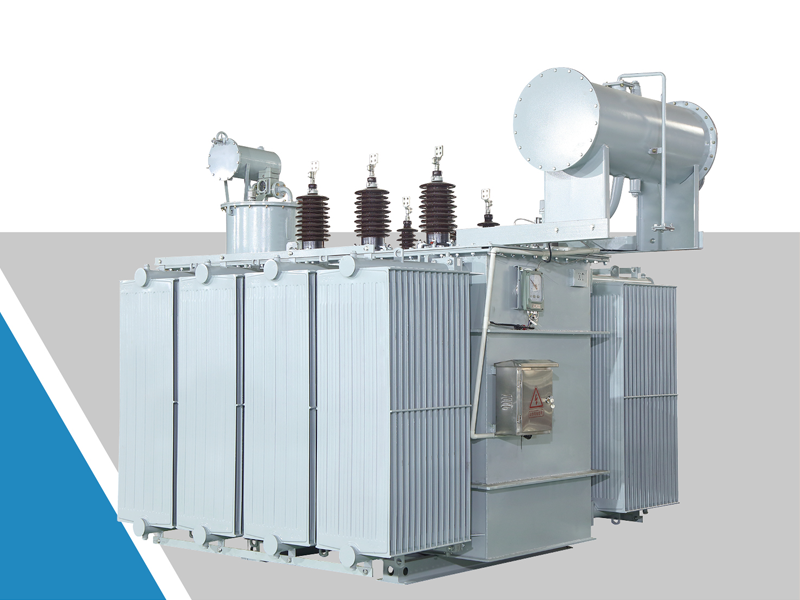
Im Übertragungs- und Verteilungsnetz moderner Energiesysteme sind OLTC-Öltransformatoren mit Doppelwicklung die Kernausrüstung zur Gewährleistung der Spannungsqualität und der Kontinuität der Stromversorgung. Es vereint die drei Hauptvorteile „einfache Doppelwicklungsstruktur“, „hervorragende Wärmeableitung im Ölbad“ und „Lastspannungsregelung ohne Stromunterbrechung“ und wird häufig in Umspannwerken, Industrie- und Bergbauunternehmen sowie neuen Energiestationen eingesetzt. In diesem Artikel werden seine Definition, Struktur, Prinzipien, Merkmale und Anwendungen systematisch erläutert.